

Cities from sand: how the oil boom took millions of Indians to the Gulf
It is the newest of India's great migrations and by the numbers the biggest: some nine million Indians in the Gulf. How a change in the price of oil in 1973 rebuilt Kerala, created a remittance economy — and left a harder story in the labour camps.
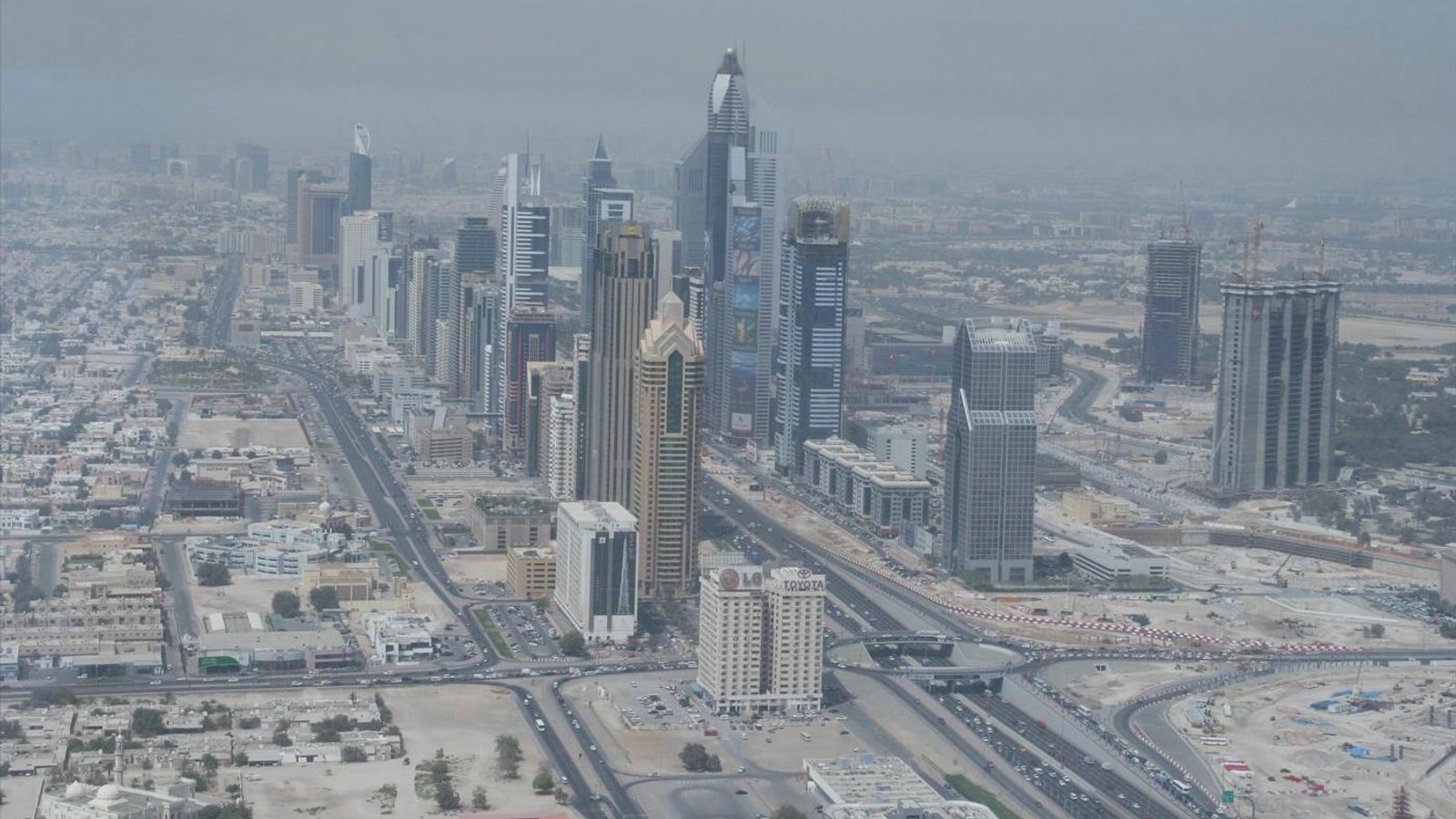
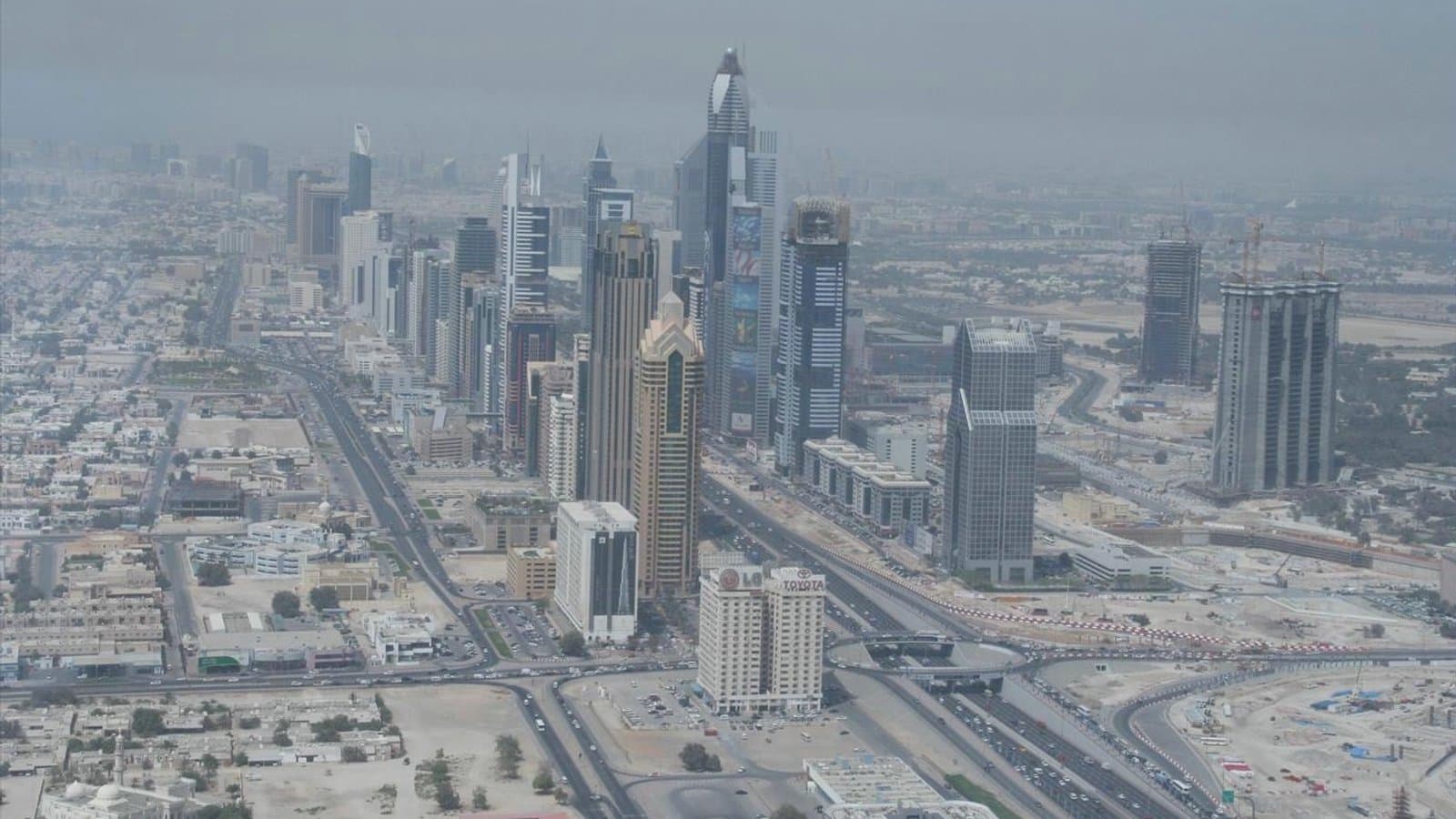
Fly into Dubai or Doha today and the city you land in was, within living memory, sand. The towers, the malls, the eight-lane highways and the artificial islands all went up in a single astonishing rush — and a great deal of the labour that built them, and much of the skill that runs them, came from India. There are now some nine million Indians living and working in the Gulf, the largest concentration of overseas Indians anywhere on earth. It is the newest of the great diaspora stories, and in sheer numbers the biggest. And unlike the migrations to America or Britain, it began not with a boat or a law but with a change in the price of oil.
An old sea, a new boom
The connection itself is ancient. For thousands of years the monsoon winds carried dhows back and forth across the Arabian Sea between the ports of western India and the Gulf, trading timber, textiles, dates and pearls. Merchants from Gujarat and the Malabar coast kept houses on both shores; the links between Kerala and the Arab world, in particular, run back well over a millennium. When the modern migration came, it flowed down channels that had been open for centuries.
What turned a trickle into a flood was the oil shock of 1973. When the members of OPEC raised the price of crude fourfold, the treasuries of Saudi Arabia, the United Arab Emirates, Kuwait, Qatar, Oman and Bahrain filled almost overnight — and the rulers of thinly populated desert states set about building modern countries from scratch. They needed workers by the hundred thousand, and they needed them fast. They looked, naturally, across the sea they had always traded with.
Kerala goes to the Gulf
No part of India answered like Kerala. The Gulf boom — the mass migration of Malayalis to the Gulf states, running most intensely from the early 1970s through the 1980s — reshaped the southern state more profoundly than any government programme ever had. Men from fishing villages and paddy districts flew out to pour concrete, drive taxis, wait tables and staff hospitals; the more educated went as clerks, nurses, engineers and teachers. The Gulf entered the Malayalam language as a place, a verb and a state of mind — the Gulf Malayali, home once a year with a suitcase of gifts, became a fixture of Kerala life.
The scale is hard to overstate. Of the roughly 2.2 million emigrants from Kerala counted in recent surveys, the great majority are in the Gulf, and the money they send home has, for half a century, been the quiet engine of Kerala's economy — visible in the new houses, the private hospitals and colleges, and the consumer boom of a state with modest industry of its own. Other regions followed — Tamil Nadu, Andhra, Punjab, Uttar Pradesh, Bihar — until the Indian presence spanned the whole labour market, from the construction camps to the boardrooms.
The remittance economy
The Gulf migration built more than Gulf cities; it built a pillar of the Indian economy. India is the world's largest recipient of remittances — more than a hundred billion dollars a year now flow home from Indians abroad — and the Gulf has long been its single biggest source. For millions of families, from Kerala's coast to the villages of the north, a father, son or brother in Dubai or Riyadh is the difference between getting by and getting ahead: money for a house, a wedding, a business, an education. The migration is, in effect, one of the largest transfers of hope in the modern world, wired home in monthly instalments.
The other side of the story
It would be dishonest to tell only the triumphant version. The Gulf migration has also been, for a great many, a story of hardship. Most workers go under the kafala system, which ties a migrant's legal status to a single employer and has, in its worst forms, left workers unable to change jobs or leave the country without permission. Construction labourers have worked long hours in extreme heat for modest pay, housed in crowded camps far from the gleaming cities they build; wages have gone unpaid, passports have been held, and abuses have been widely documented. The great stadiums and skylines of the Gulf were raised, in part, on the backs of men from South Asia who saw little of the wealth around them.
Reforms have come — several Gulf states have loosened aspects of kafala and tightened labour protections in recent years, under both internal pressure and international scrutiny — and conditions vary enormously between a senior professional in Dubai and a first-time labourer on a remote site. But the shadow is part of the picture, and any honest account of the Gulf migration has to hold the two halves together: the family lifted out of poverty, and the man who lifted them working in conditions few would choose.
A migration without an ending
The Gulf story differs from the others in the series in one fundamental way: it was never meant to be permanent. There is, in most Gulf states, no path to citizenship for the Indians who have spent their working lives there, no equivalent of the American or Canadian passport at the end of the road. It is a migration of sojourners — of people who go to earn and expect, one day, to return. Yet second and third generations have now grown up in the Gulf who know no other home, and the ties between India and the region have only deepened, binding the two shores of the Arabian Sea as closely today as the monsoon trade once did.
Nine million people, sending home the price of a better life, building cities that were lately sand: it is the least storied of India's great migrations, and by the numbers the largest of them all.
This is part of Diaspora Dreams' series on how Indian migration began, country by country. See also how Indian migration to America began, Canada and the Komagata Maru, and Britain, from Windrush to Uganda; and, for the older migration of the indentured, our Girmitiya pages.
Related from Heritage
The Lunatic Line: the Indians who built East Africa's railway
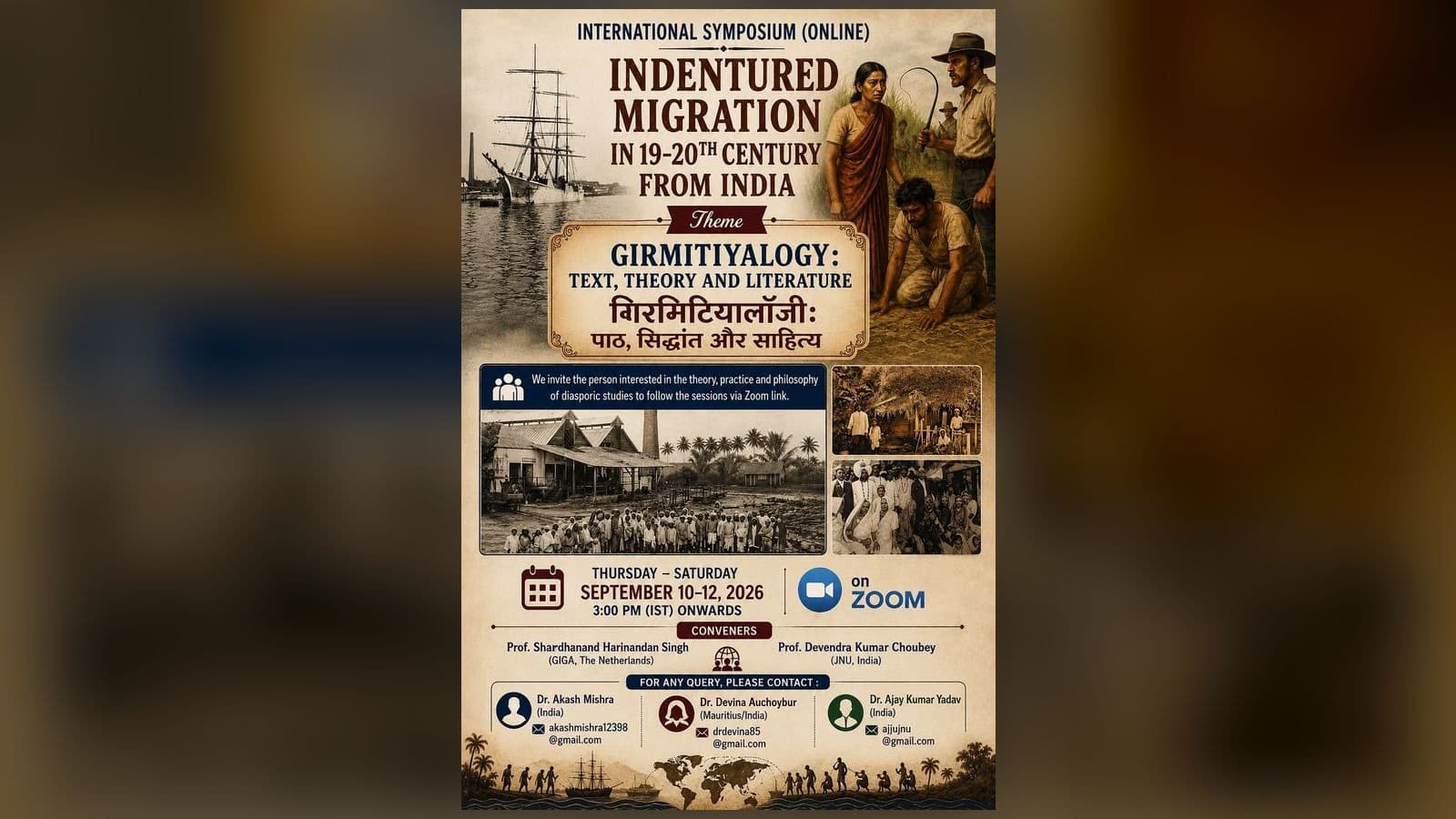
‘Girmitiyalogy’: an online symposium on India's indentured migration (10–12 September 2026)
The ship that was turned away: how Indians came to Canada